
ExpressVPN, NordVPN & Surfshark Not Working with BBC iPlayer? Here's Why—And What Actually Works
Tried ExpressVPN for BBC iPlayer? Blocked. Switched to NordVPN? Same story. Even Surfshark won't work.
If you're trying to watch BBC iPlayer abroad and ExpressVPN, NordVPN or Surfshark have stopped working, you're not alone. It's one of the most common complaints we hear from people streaming UK TV outside the UK.
Often these apps worked fine in the past, then stopped without warning. Error messages appear, streams refuse to play, or BBC iPlayer just bounces you back to the homepage.
This article explains why it happens, why it's becoming more common, and what actually works if you want reliable access to BBC iPlayer abroad.
Why These VPNs Are Blocked by BBC iPlayer
The BBC blocks VPNs by detecting data centre IP addresses. All three providers use IP addresses from commercial server farms, not real UK home IP addresses.
The BBC maintains databases of these IP ranges. When you connect through ExpressVPN, NordVPN, or Surfshark, the BBC recognises the data centre IP and blocks access.
It isn't enough for a connection to look UK-based once. BBC iPlayer checks repeatedly and looks for patterns that suggest VPN usage.
As detection methods have improved, many commercial VPN services have struggled to keep up.
How ExpressVPN, NordVPN and Surfshark Are Detected
Most popular VPN apps rely on large pools of shared IP addresses. Thousands of users may appear to be connecting from the same IP range at the same time.
From the BBC’s point of view, this does not look like normal household usage.
Once an IP address is identified as belonging to a VPN provider, it is blocked. This can happen very quickly, especially during busy periods or major events.
This is why a VPN app can appear to work one day and stop working the next, even if you haven't changed anything.
The Device Compatibility Problem
VPN apps are usually designed for phones and laptops. Most Smart TVs, streaming boxes and media devices either don't support VPN apps at all, or support them poorly.
Even when a VPN app can be installed, it often behaves differently to a normal UK home connection. This makes detection more likely.
Devices that DON'T work with VPN apps:
- Samsung & LG Smart TVs
- Games consoles (PS4, PS5, Xbox One, Xbox Series S|X) — no VPN app exists for any of them and none can be sideloaded
- Sky Stream pucks & Sky Q boxes — closed Sky platforms with no user-installable app store
- The Manhattan Aero Freely box — it runs TiVo OS, a curated platform with no user-installable apps. (The Netgem PLEIO is the exception: it carries the Google Play store, so an Android TV VPN app will install — it just gets blocked on the address, like everything else here.)
- Roku devices
- The older cast-only Chromecasts (a Chromecast with Google TV runs the Play Store, so it can take a VPN app — and then hits the same address block as the PLEIO above)
Result: You can't watch BBC iPlayer on your TV — the device you actually want to use.
Sky Go is the exception worth understanding, because it cuts the other way. It runs on your phone, your tablet, your computer and Apple TV — and the big-name VPNs have apps on all of those, so you can absolutely install one and try. It still gets blocked, for the reason above: the address is the giveaway, not the device. That is why Sky Go stops working with your VPN.
Sky Go also runs on games consoles — PS4, PS5, Xbox One and Xbox Series S|X — and there a router isn't the better option, it's the only one.
BBC iPlayer Not Working With NordVPN on Your Fire Stick?
This is one of the most common versions of the problem — and it catches people out, because the Fire Stick is not really the issue, and nor, in truth, is NordVPN.
On the Fire Sticks that run the app, NordVPN (or ExpressVPN) installs and connects normally. BBC iPlayer still blocks you: the app routes you through a data-centre IP the BBC recognises. As with Sky Go, the address is the giveaway, not the device.
The newest Vega-OS Fire Sticks handle apps differently again — here is what changed and how to get around it.
The fix is the same one that works everywhere else: put the UK residential IP on the router, and the Fire Stick simply streams — with nothing to install on the stick at all.
The Real Solution: Residential IP Addresses
Here's what ExpressVPN, NordVPN, and Surfshark won't tell you: the IP type matters more than the VPN brand.
A residential IP address behaves like a normal UK home broadband connection. It isn't shared across thousands of users and doesn't belong to a known VPN data centre.
From BBC iPlayer’s perspective, this looks like genuine household traffic rather than VPN usage.
This is the key difference between solutions that work briefly and solutions that continue working over time.
Why Router-Based VPNs Are More Reliable
A VPN router handles the connection at network level rather than on individual devices.
This has several important advantages:
- All devices share the same UK-based connection
- No VPN apps are required on TVs or streaming boxes
- The connection looks consistent and normal
- There are fewer signs of VPN usage
When paired with a UK residential IP, a VPN router provides a far more stable way to access BBC iPlayer abroad.
What Actually Works for Watching BBC iPlayer Abroad
The most reliable setup combines:
- A VPN router rather than an app
- A genuine UK residential IP address
- A stable internet connection
This approach avoids the weaknesses of app-based VPNs and works across Smart TVs, Apple TV, Firestick and other streaming devices.
Our Approach at Stream UK TV Abroad
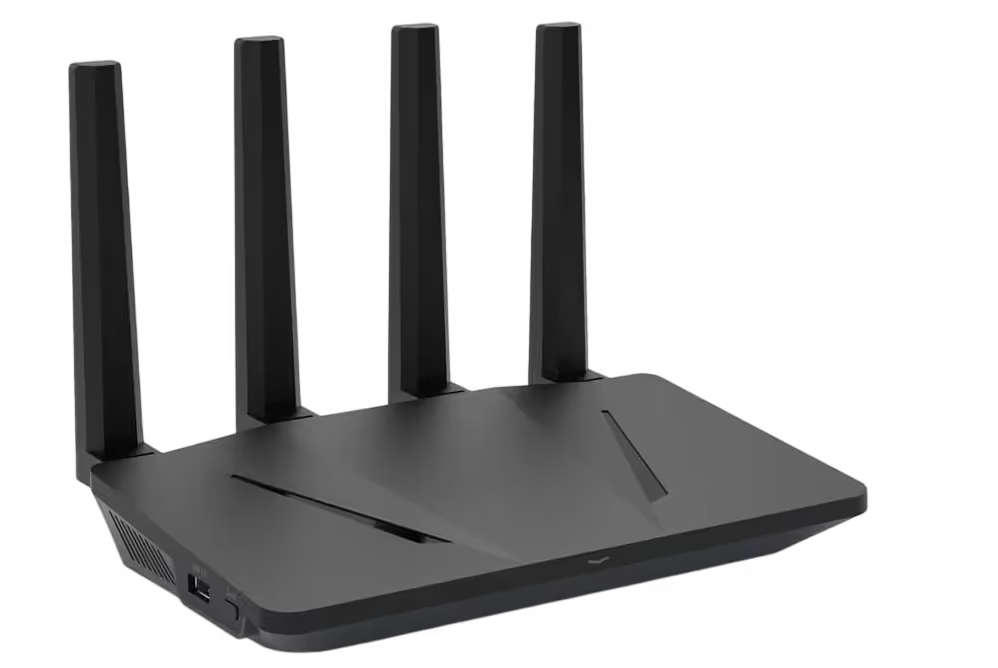
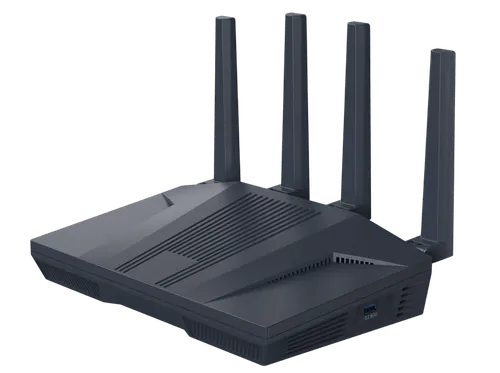
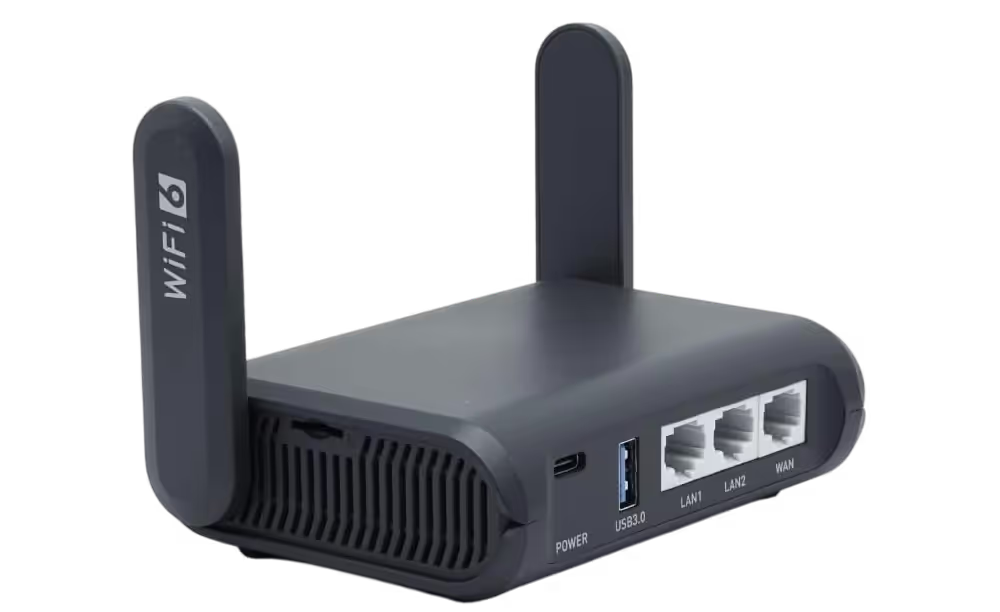
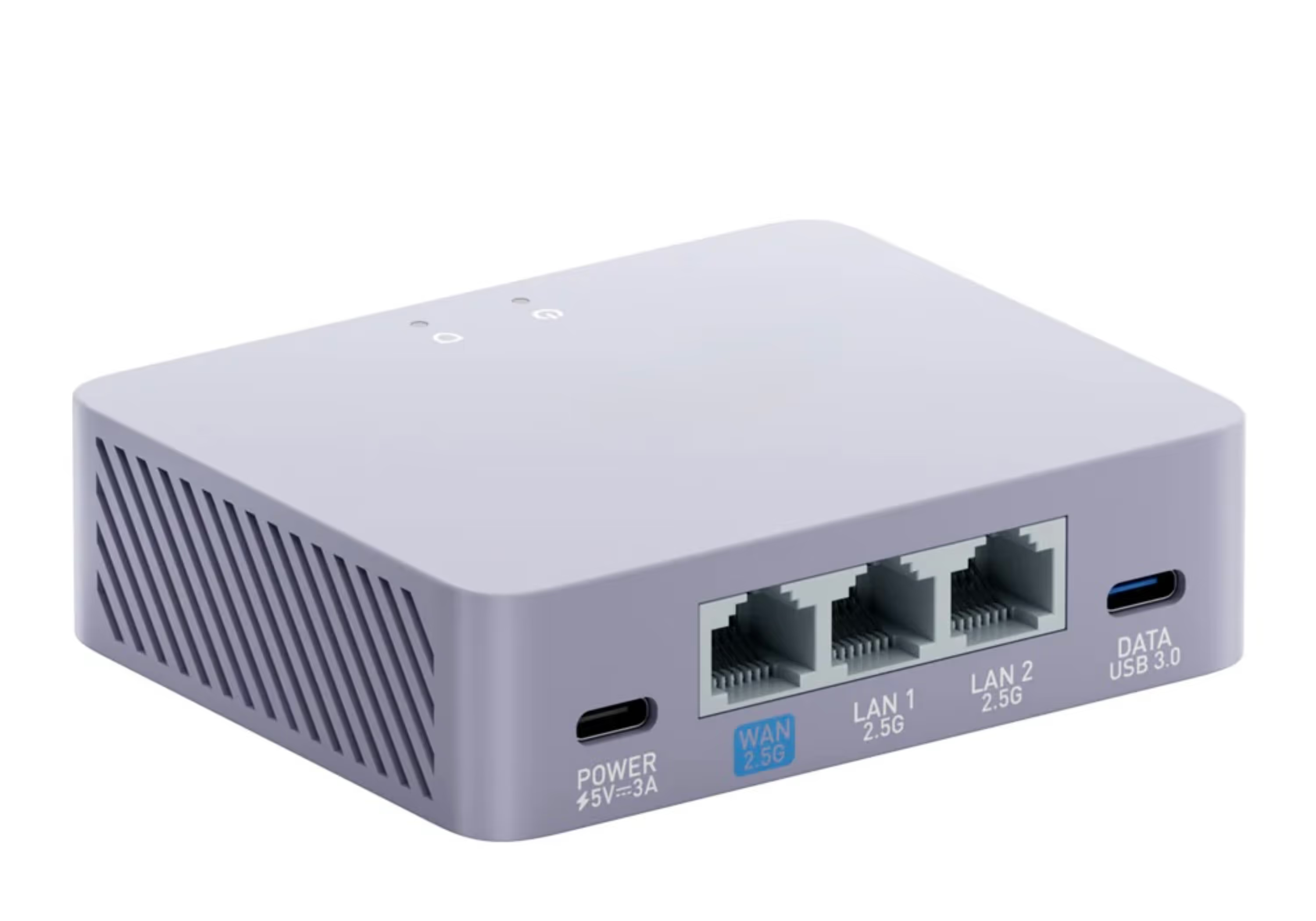
At Stream UK TV Abroad, we supply pre-configured SmartHub VPN routers designed specifically for watching UK TV abroad. These use UK residential IP addresses rather than shared commercial VPN servers.
The router arrives ready to use. Once connected, your devices behave exactly as they would in a UK home, allowing BBC iPlayer to load and play content normally.
That sidesteps the repeated blocks and drop-outs that come with VPN apps.
Frequently Asked Questions
Why does BBC iPlayer not work with my VPN?
Because iPlayer blocks by IP address, and the big VPN apps route you through shared data-centre IPs it recognises as VPN traffic. Once an address is on the BBC's list it's shut out — so the app that worked on Tuesday can be dead by Thursday with nothing changed at your end.
Does NordVPN, ExpressVPN or Surfshark work with BBC iPlayer?
Rarely for long. All three connect through commercial data-centre addresses that the BBC already recognises and shuts out, so switching between the big names seldom helps — they share the same weakness. The IP type matters more than the VPN brand.
Why does my VPN work on my phone but not my Smart TV or console?
Most Smart TVs, Sky boxes, Roku devices and games consoles (PS4, PS5, Xbox) cannot run a VPN app at all, so there is nothing to route through the UK; and even where an app installs, the address still gives you away. A VPN router fixes this at network level, covering every device with nothing to install on the screen.
How do I get BBC iPlayer working with a VPN abroad?
Use a VPN router carrying a genuine UK residential IP instead of an app. It behaves like a normal UK home broadband line, so BBC iPlayer sees household traffic rather than a VPN — the difference between something that works briefly and something that keeps working.
Final Thoughts
If ExpressVPN, NordVPN or Surfshark no longer work with BBC iPlayer, it's not because you're doing something wrong. It's because BBC iPlayer has become much better at detecting VPN traffic.
Short-term fixes and app switching often lead to the same result. A stable, long-term solution requires a setup that behaves like a real UK home connection.
Using a VPN router with a UK residential IP remains the most reliable way to watch BBC iPlayer abroad without ongoing interruptions.
Stop wasting money on VPNs that don't work.