How Residential IPs Improve Your UK Streaming Experience
When you stream UK TV abroad, the single biggest factor in whether it works reliably — or keeps getting blocked — is the type of IP address your connection uses. Get it right and BBC iPlayer, ITVX, Sky Go and the rest behave exactly as they do at home; get it wrong and you'll hit the familiar “this content isn't available in your area”. Here's why a UK residential IP beats the data-centre IPs that ordinary VPNs rely on.
Residential IP vs Data-Centre IP: the Difference That Matters
Every connection online has an IP address — its identity on the internet — and two kinds matter here:
- A residential IP is issued by a home broadband provider (BT, Sky, Virgin and the like). It belongs to a real household, so to a streaming service it looks like an ordinary UK viewer at home.
- A data-centre IP comes from a commercial server farm. Almost every mainstream VPN app routes you through one of these, shared by thousands of users at once — which makes it easy to spot.
That distinction is everything, because UK broadcasters treat the two completely differently.
Why Streaming Services Block Data-Centre IPs
UK broadcasters are only licensed to show their content inside the UK, so they work hard to turn away out-of-region traffic.
Spotting a VPN is simple when it uses a data-centre IP: the address is registered to a hosting company rather than a home, and huge numbers of people appear to be living at the same one. Services like BBC iPlayer, ITVX, Sky, NOW and DAZN keep blocklists of these addresses and refresh them constantly — which is why most VPNs get blocked within seconds.
Why a Residential IP Is Better for Streaming
It looks like a real UK home
Because a residential IP belongs to a genuine home-broadband line, streaming platforms see an ordinary UK household rather than a VPN. That alone removes the main reason services block you abroad, and it's why a residential IP keeps working when data-centre VPNs get shut out.
Consistent access, not blacklisted
Data-centre IPs are used by so many people that they're quickly blacklisted, leading to sudden connection errors mid-programme. A residential IP is tied to a real ISP and isn't shared across thousands of strangers, so access stays steady day to day.
Smoother playback, less buffering
Shared data-centre servers are often congested and throttled, which shows up as buffering and drops in quality. A residential connection gives a more stable route, so streams settle at full HD instead of stuttering.
A far lower risk of blocks
Repeated logins from a flagged data-centre IP can trigger security prompts and temporary lock-outs on streaming accounts. On a residential IP it all looks like ordinary household use, so those alarms rarely fire.
Reliable for the long term
VPN providers that lean on data-centre IPs have to keep rotating servers to dodge detection, which makes performance come and go. A residential one just blends in with genuine traffic, so it keeps working month after month with none of the cat-and-mouse.
Which UK Services Need a Residential IP?
In practice, almost all of them. BBC iPlayer and ITVX are the strictest, but Channel 4, Channel 5, Sky, NOW and DAZN all detect and block data-centre VPNs too. A residential IP is what keeps every one of them working from abroad — on the same connection, at the same time.
How to Get a UK Residential IP
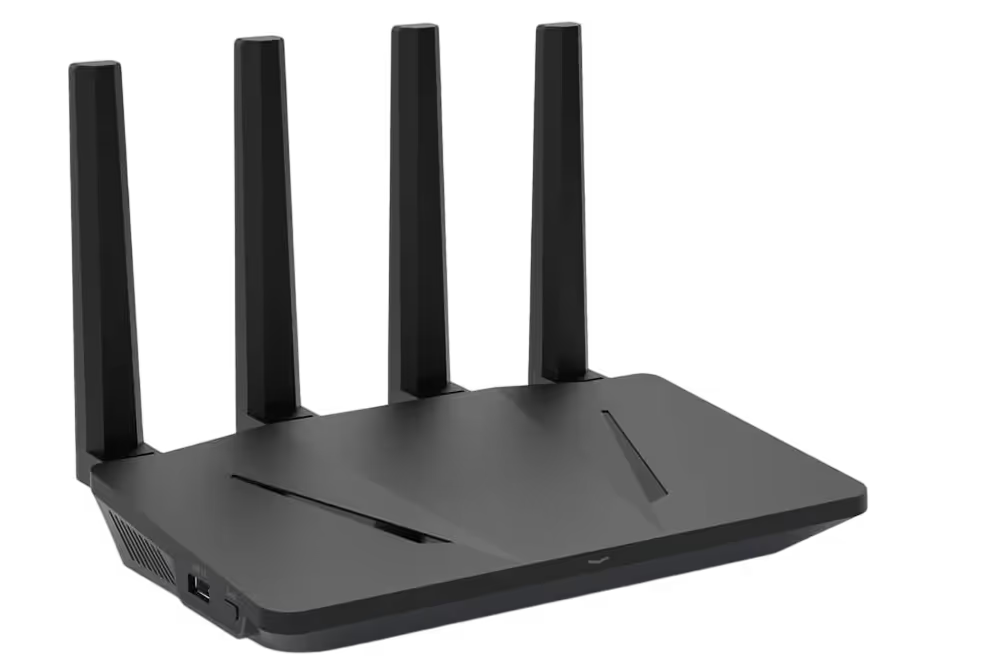
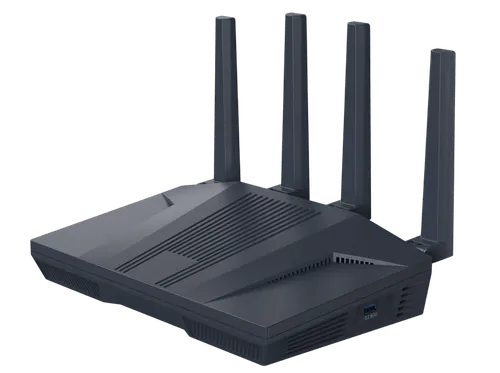
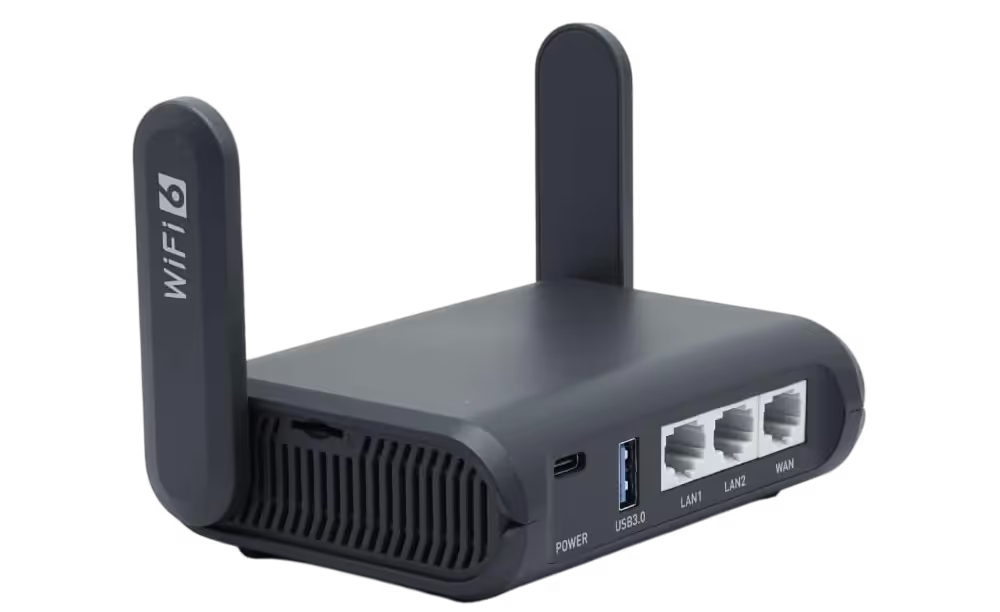
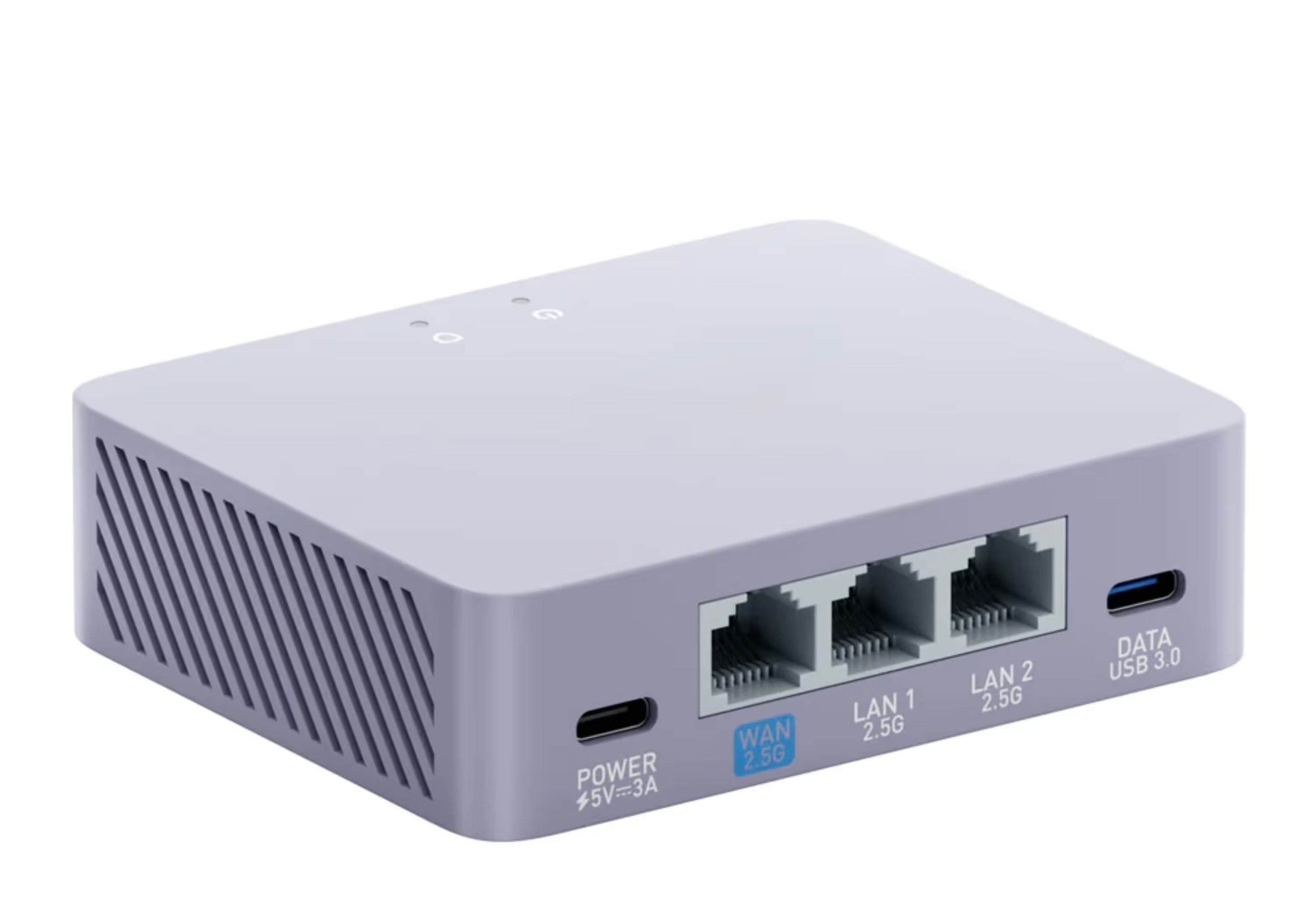
You can't simply flip a mainstream VPN app over to a residential IP — they don't offer them for streaming. The straightforward route is a pre-configured VPN router: it arrives set up with a streaming-optimised UK residential IP, so you plug it in abroad, connect your devices to its Wi-Fi, and everything on the network appears to be in Britain. No apps, no settings, and every device is covered at once.
Residential IP FAQs
What is a residential IP?
A UK home-broadband IP address, as opposed to the data-centre IPs that commercial VPNs use. Streaming services see it as an ordinary household, so it isn't flagged as a VPN.
Do normal VPNs use residential IPs?
Almost none do for streaming — the big-name apps route through data-centre IPs, which is exactly why they keep getting blocked by UK services.
Will a residential IP stop buffering?
It removes the main causes of streaming failures abroad — detection and the throttling of congested shared servers — so playback is far more stable. Your own local internet speed still matters, though.
Do I still need my own UK subscriptions?
Yes — the residential IP only makes your connection look like a UK home, so the UK apps and services you already pay for keep working while you travel.
Final Thoughts
If you're serious about watching UK TV abroad without constant blocks and buffering, the IP address is the part that matters most — and a residential one is the difference between it working and not. Our pre-configured SmartHub VPN routers come ready with a streaming-optimised UK residential IP, so whether you're an expat, a traveller or a second-home owner, everything streams as if you were back home.